
Burst Pipe Emergency Checklist for DeSoto Homeowners
A practical checklist for controlling a sudden pipe failure, documenting the loss and getting the property toward a dry condition.
Read guide →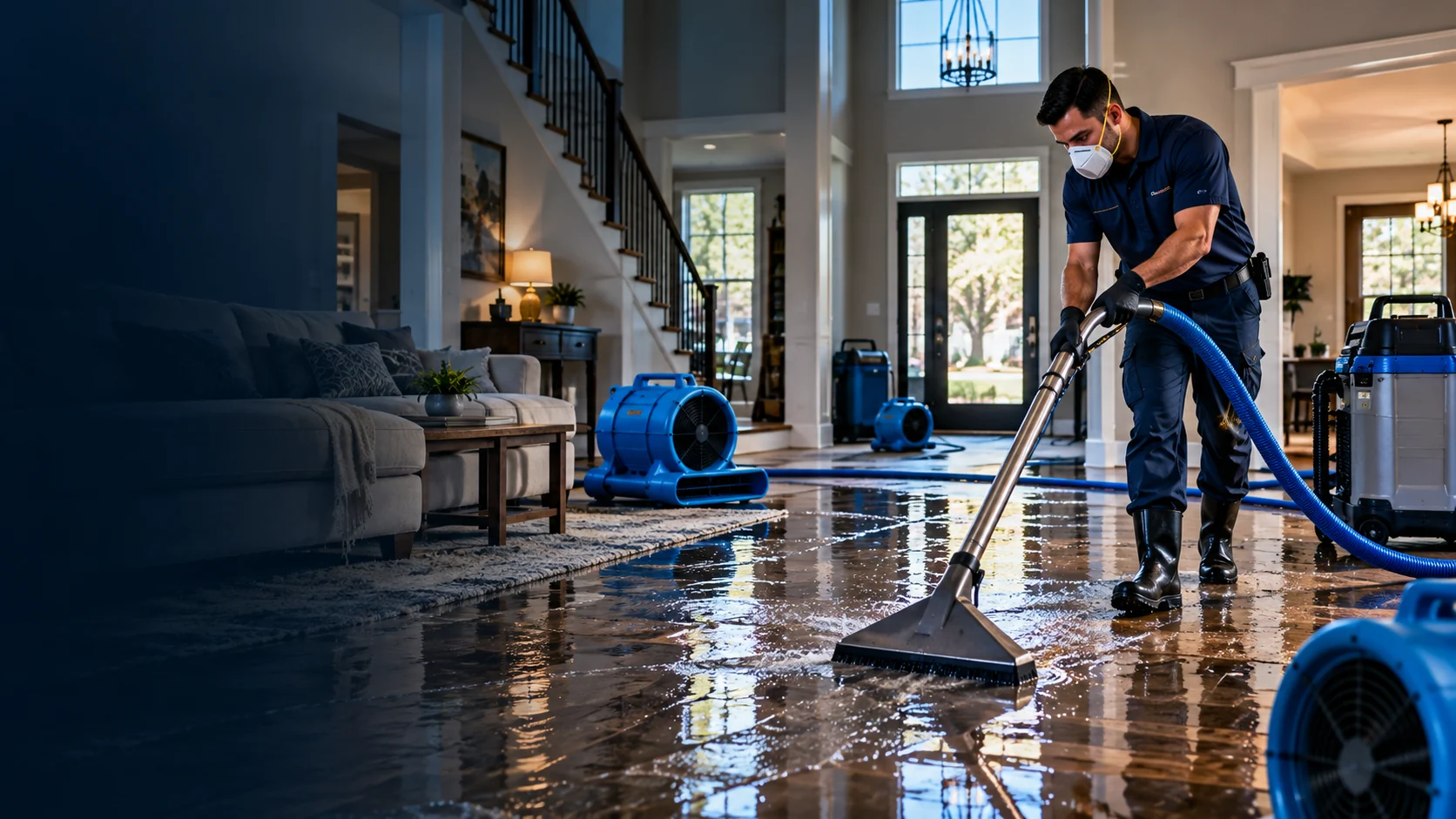
Fast water removal, structural drying and water-damage cleanup guidance for homes and businesses in DeSoto, Texas. Start with the source, safety and the materials affected.
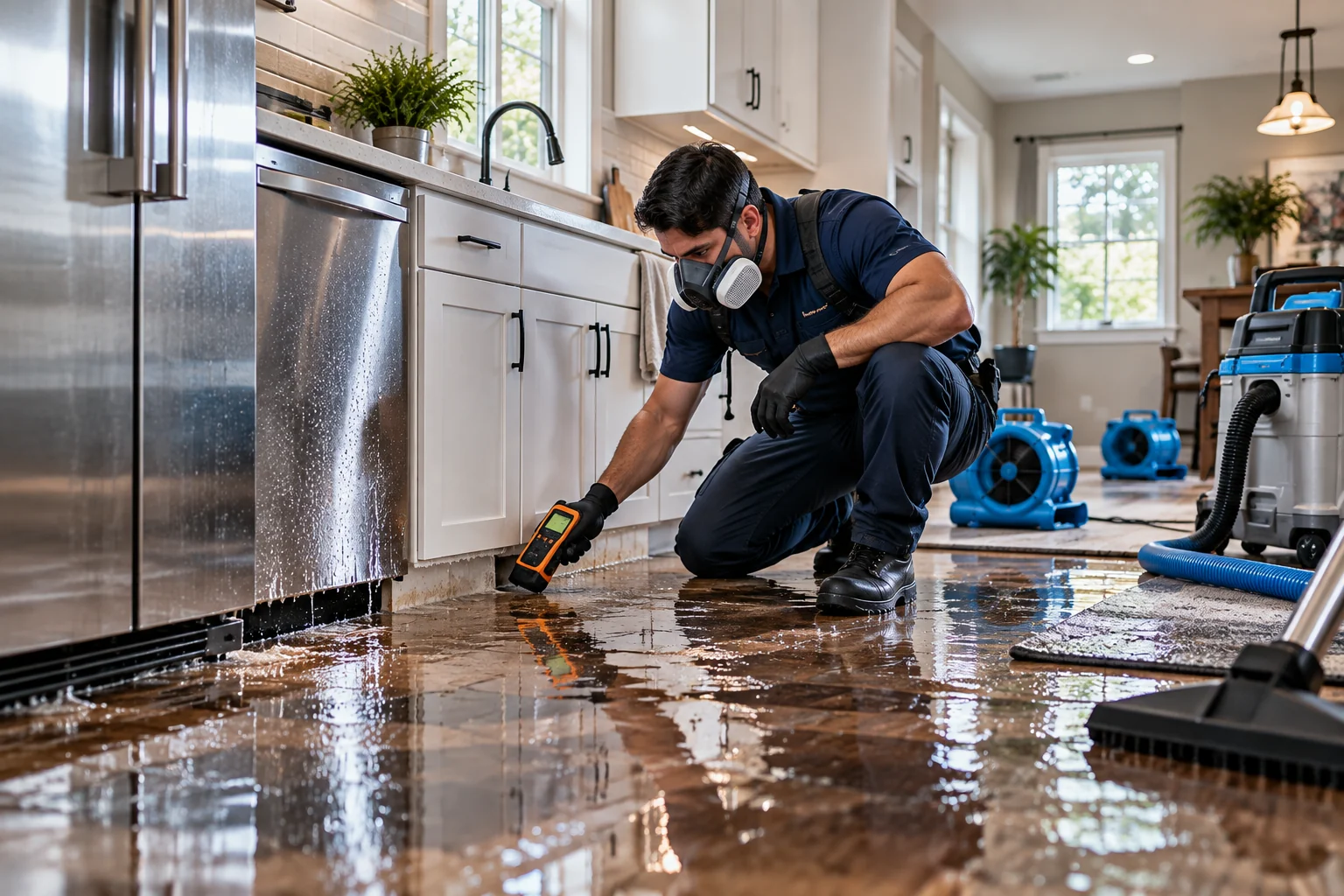
Standing water is the obvious part of a loss. Moisture can also move into carpet pad, subfloor, baseboards, drywall, cabinets and framing. A useful response connects extraction to a measured drying plan.
Each page answers a distinct problem instead of repeating the same generic restoration copy.
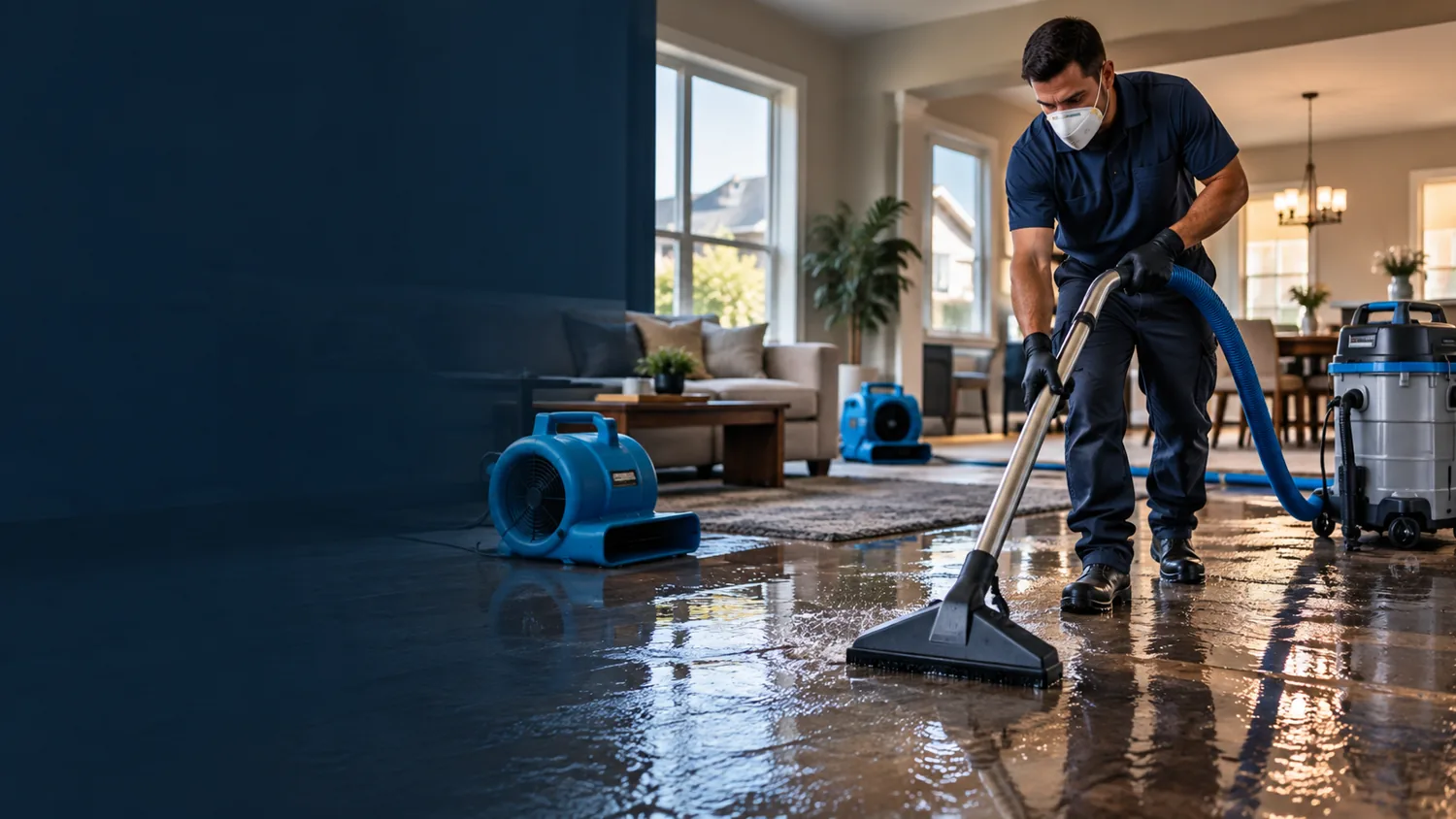
Focused water-damage response from source assessment through extraction, drying and moisture verification.
Explore service →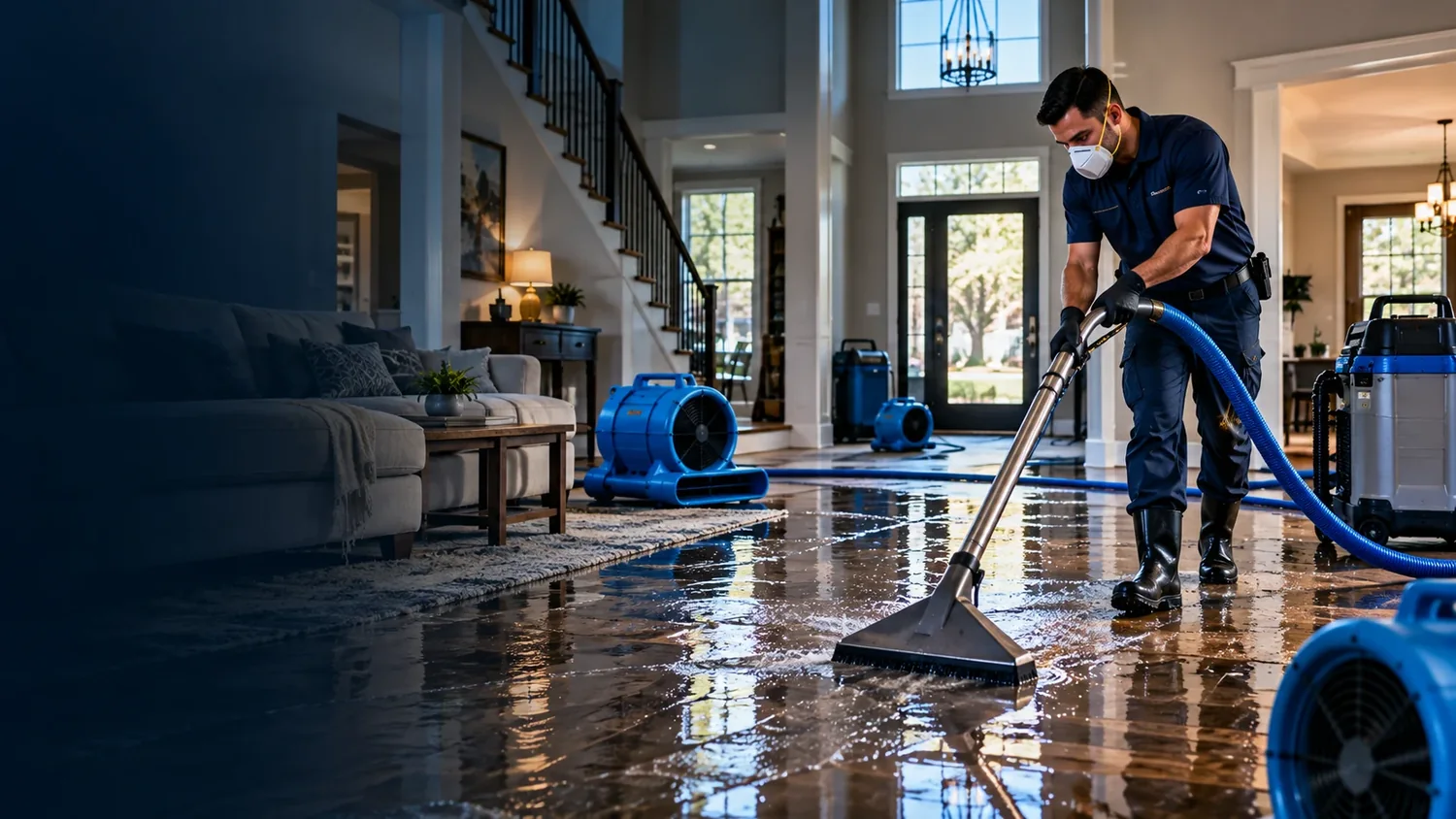
Emergency standing-water extraction after broken pipes, supply lines and plumbing failures.
Explore service →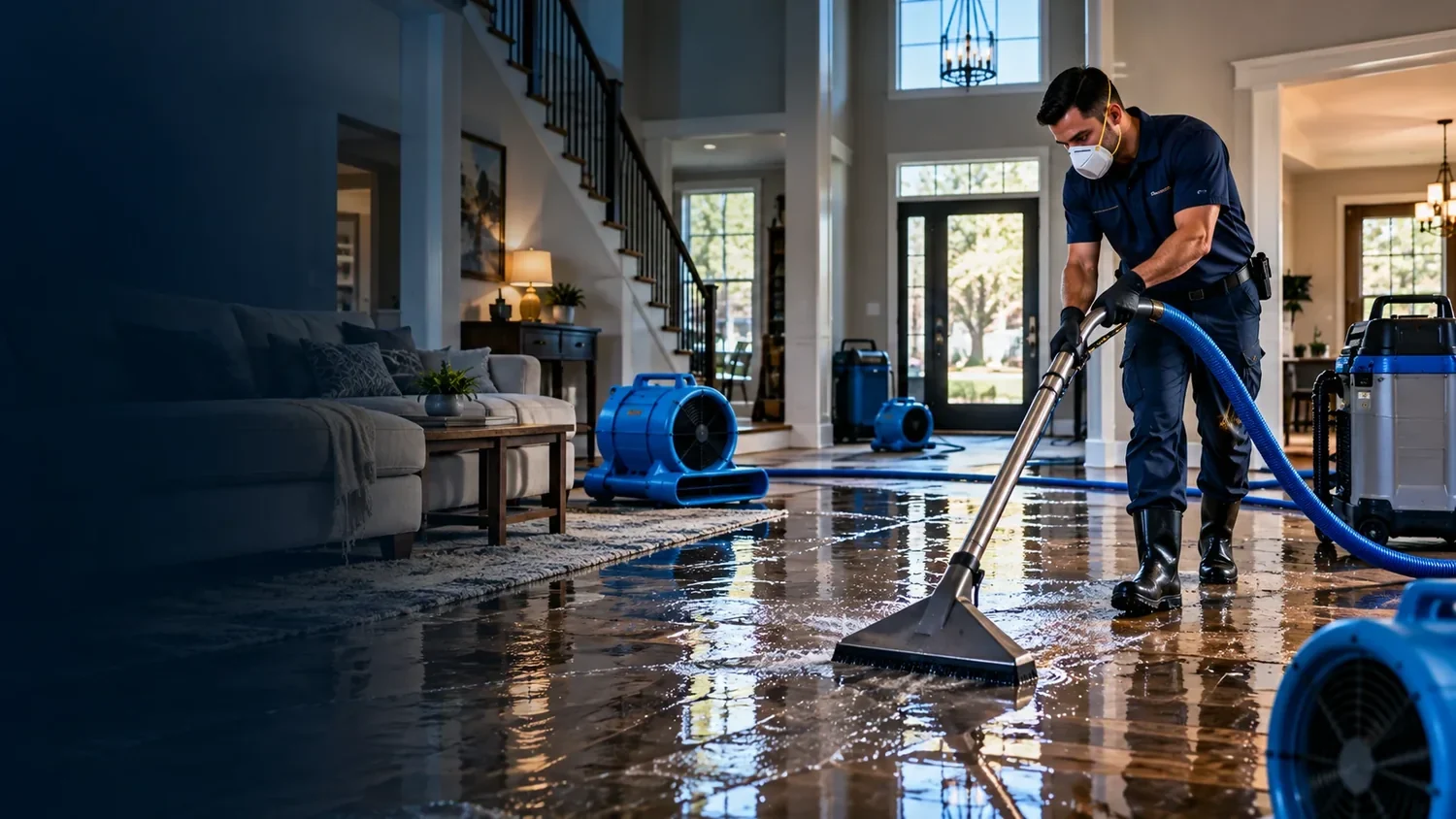
Controlled drying for drywall, subfloors, cabinets, framing and other water-affected building materials.
Explore service →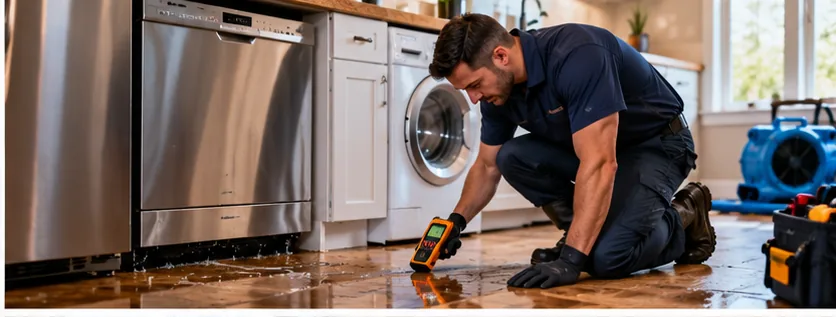
Cleanup after washing-machine, dishwasher, refrigerator-line and water-heater leaks.
Explore service →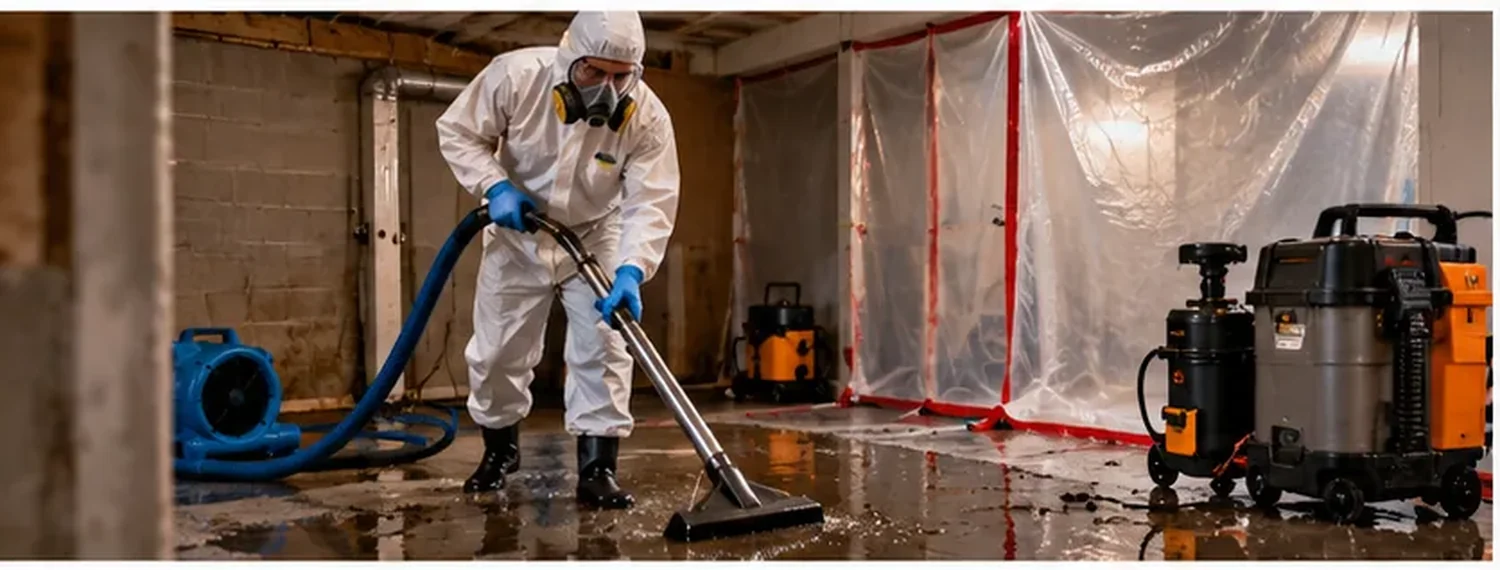
Containment, extraction, sanitation and material assessment for contaminated-water losses.
Explore service →
Water extraction and pad-focused drying for wet carpet and affected flooring.
Explore service →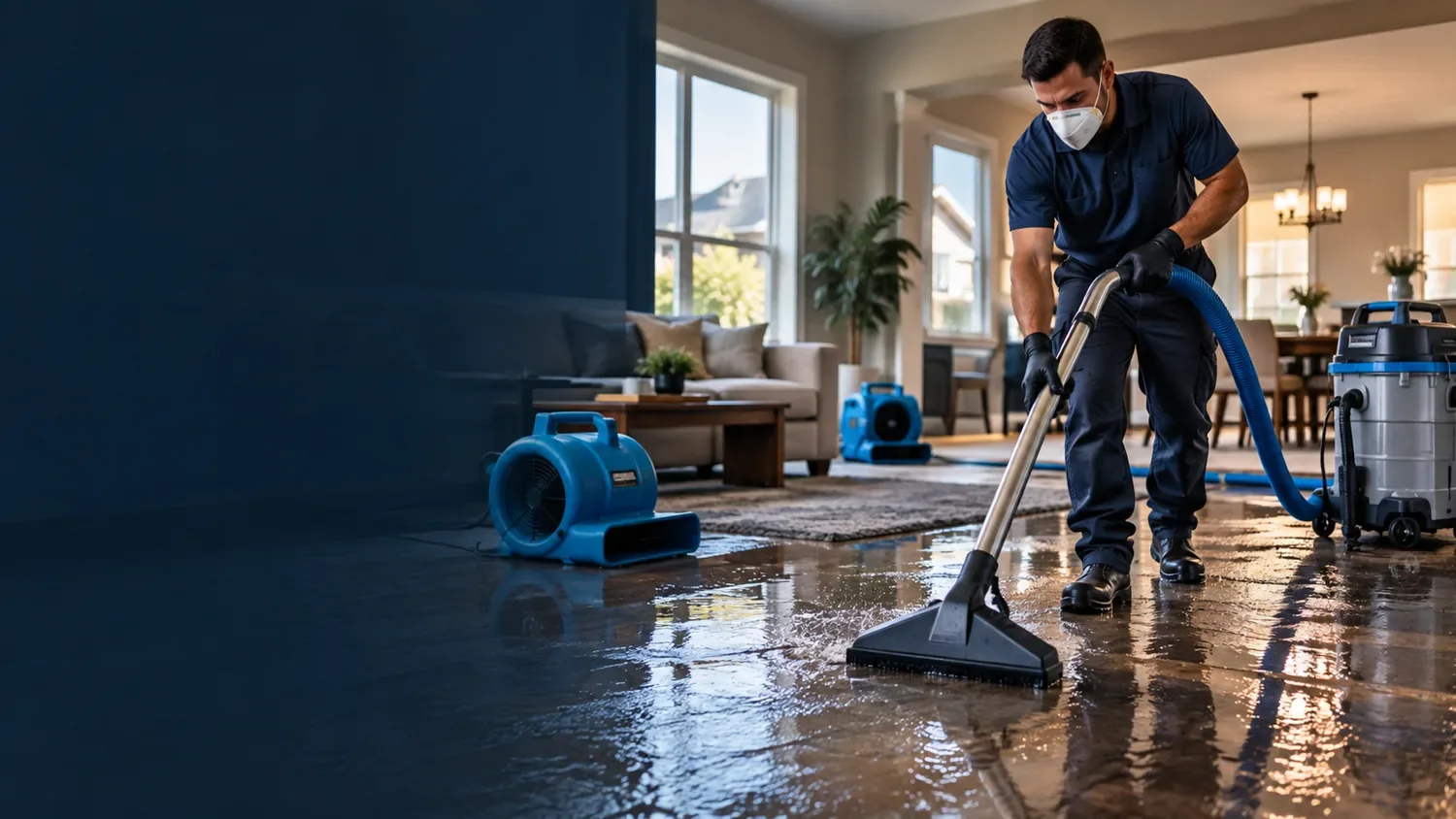
Assessment and drying for ceiling stains, active leaks and hidden moisture in adjoining assemblies.
Explore service →
Water extraction and drying after storm intrusion, heavy rain and flash-flood events.
Explore service →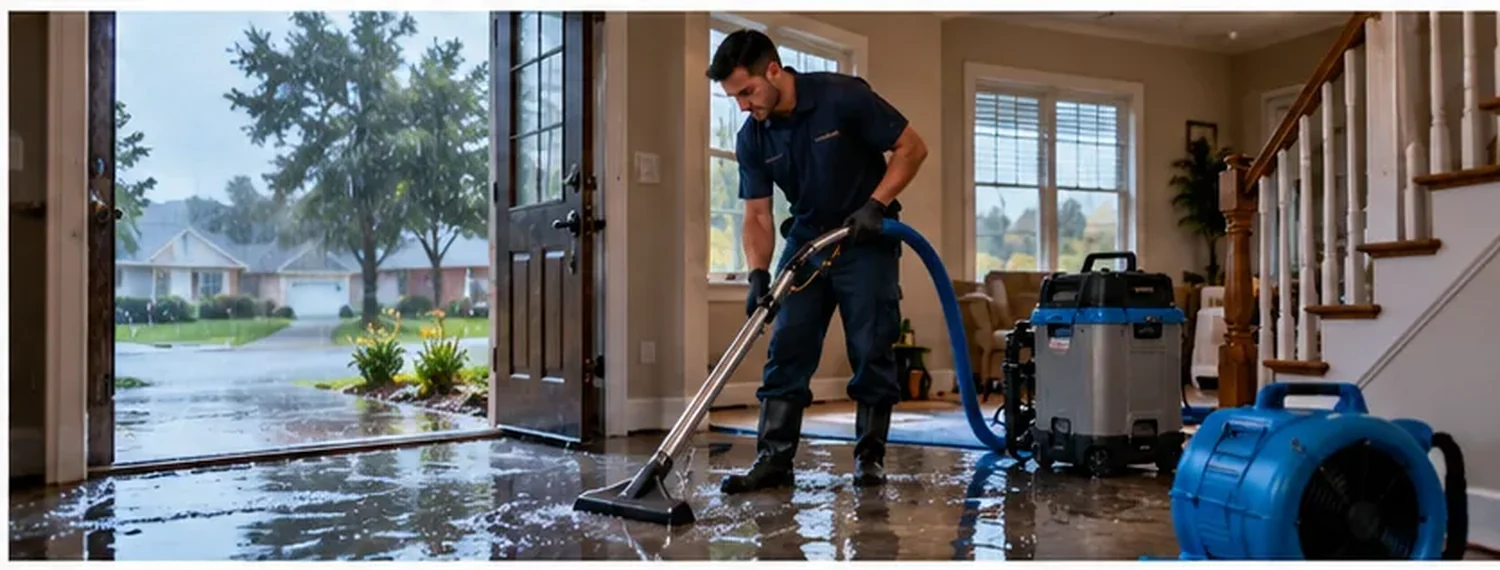
Emergency extraction and drying after a failed sump pump or lower-level water intrusion.
Explore service →Good mitigation decisions depend on what is actually wet, not only what is visible.
Identify the source, spread, affected materials and any immediate hazards.
Remove standing water and address accessible affected surfaces before deeper drying.
Use airflow and dehumidification where appropriate and track material moisture.
Compare progress against a reasonable dry baseline before closing the drying phase.
Connect the verified Google Business Profile to show live ratings and customer feedback. Do not publish invented review data.
“Add a verified Google review here after the profile is connected.”
Use real customer feedback with the original source context. Never invent testimonials.
Primary service coverage centers on DeSoto, with nearby service-area pages for Cedar Hill, Duncanville, Lancaster, Glenn Heights and Red Oak.
Use a verified Google Maps embed or official map image here. The layout reserves space without loading a heavy map library.
View city coverage →These links provide safety, moisture, flood, weather and restoration-standard context. They are informational references, not endorsements of the business.
Local government and city information.
Open source ↗Mold, moisture, drying and indoor air guidance.
Open source ↗Flood and mold cleanup safety guidance.
Open source ↗Flood preparedness and safety guidance.
Open source ↗Flood maps and flood-risk resources.
Open source ↗Dallas–Fort Worth weather and flood information.
Open source ↗Water damage restoration standard reference.
Open source ↗Answer-first guides on emergency steps, hidden moisture, drying, sewage, flooring and insurance documentation.
A practical checklist for controlling a sudden pipe failure, documenting the loss and getting the property toward a dry condition.
Read guide →How water category, timing, carpet pad, contamination and drying conditions affect whether wet carpet can be cleaned or needs replacement.
Read guide →A guide to ceiling stains, wall cavities, insulation, framing and the moisture that can remain after an obvious leak stops.
Read guide →A step-by-step framework for businesses dealing with water damage while protecting people, equipment, records and operations.
Read guide →What affects wood-floor salvageability, how moisture moves into subfloor systems, and why controlled drying matters.
Read guide →Where moisture can hide after a leak and why a dry-looking wall does not always mean the assembly is dry.
Read guide →Call with the source, room and type of water loss. Start with safety and source control when it is safe to do so.
Water extraction removes visible liquid. A complete response also considers the materials, air, contents and hidden spaces that may have been affected.
Identify the source, isolate it when safe and keep people away from electrical or contaminated-water hazards. Source correction may require plumbing, roofing or utility professionals.
Check beyond the puddle. Floors, carpet pad, cabinets, drywall, baseboards, framing and subflooring can all hold moisture.
Remove recoverable water, then control evaporation and humidity with a plan matched to the materials and conditions.
The City of DeSoto publishes drainage and stormwater information and is developing a drainage master plan focused on the city's stormwater system, flooding risk, erosion and related infrastructure. That public context is useful during heavy weather, but it does not replace a property-level water-damage assessment.
When stormwater enters a building, the practical questions remain the same: where did the water enter, what materials became wet, is contamination possible, and what must be dried or removed?
View DeSoto Drainage Information →Control the source when safe. Protect people from electrical hazards. Document the condition. Identify affected rooms. Start extraction and drying promptly when appropriate.
Call +1 972-945-2324These answers are designed to help a homeowner understand the next step before choosing a service path.
As soon as it is safe and practical. Prompt extraction reduces the time materials remain exposed and supports a more controlled drying process.
Read the guide →Yes. Moisture can move behind baseboards, cabinets and drywall, so the affected assembly should be considered rather than just the visible stain.
Read the guide →Sometimes. Early assessment, moisture monitoring, water category and the condition of the floor and subfloor all influence salvage options.
Read the guide →Use these primary-source references alongside the site's practical restoration content.
Understanding the building assembly can make the next decision much clearer.
Drywall, insulation and framing can retain moisture beyond the visible stain. The affected assembly should be checked rather than assuming the wall is dry because the paint surface looks normal.
Contamination changes the cleanup approach. Keep people and pets away from the affected area and use a containment-aware plan before ordinary drying methods are considered.
Wood floors can swell, cup or move as moisture enters and leaves the assembly. Early evaluation and monitoring can help determine whether salvage is practical.
Roof source correction and interior mitigation are separate tasks. Water can remain in insulation, ceiling materials and framing after the weather improves.
Commercial losses add operational concerns. A useful response prioritizes critical spaces, protects inventory and equipment when safe, and keeps documentation organized.
Odor may point to moisture or contamination that remains. Source removal, cleaning and drying should come before relying on deodorizing products.