
Structural drying addresses moisture that remains in drywall, framing, subfloor, cabinets and other materials after visible water is removed.
Structural Drying in DeSoto TX Is Measured, Not Guessed
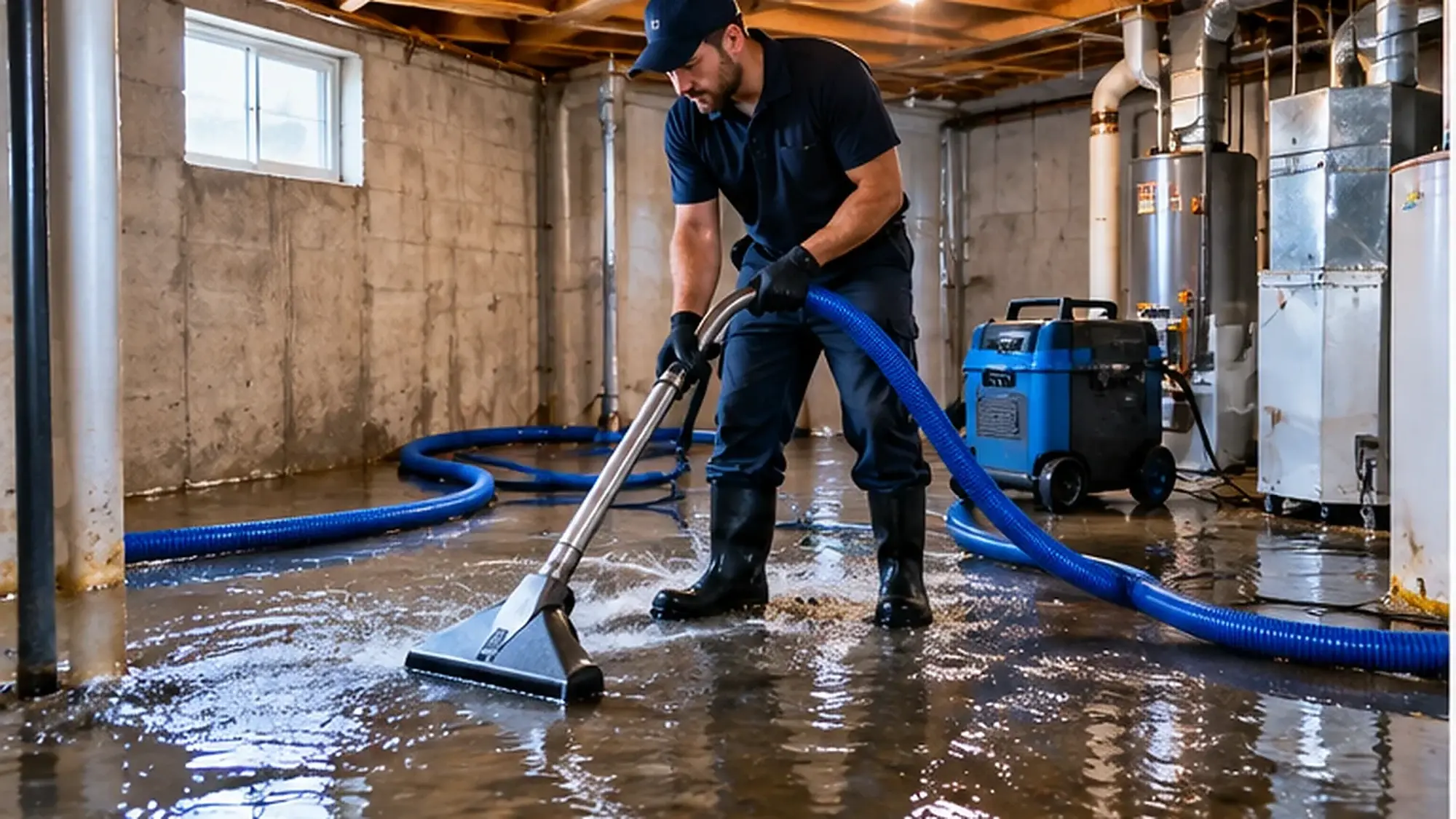
Structural drying in DeSoto TX is the controlled removal of moisture from the building itself after extraction: drywall, subfloors, framing, cabinets and the cavities behind them. It runs on psychrometrics, the working balance of temperature, humidity and airflow. Air movers push evaporation from wet surfaces, dehumidifiers pull that moisture out of the air, and moisture meters and daily readings decide where equipment goes and when it can come out. A drying chamber approach, sealing the affected area, concentrates that work where the water actually travelled instead of conditioning the whole house.
Drying is the middle phase of water damage restoration desoto tx; it starts after emergency water extraction desoto tx and ends only when readings reach the dry standard.
What structural drying actually addresses
Drying is about moisture remaining inside building assemblies after visible water is gone. Air movement and dehumidification should be selected for the materials, environment and drying condition rather than used as a generic recipe.
- Measure affected materials instead of relying on touch alone.
- Include wall cavities, subfloors, cabinets and framing when relevant.
- Recheck progress and compare it with an appropriate dry reference.
How the water-loss problem develops
Structural drying addresses moisture that remains in drywall, framing, subfloor, cabinets and other materials after visible water is removed.
The visible symptom is only one part of the assessment. Water can move laterally along floors, travel under finish materials, wick into trim and drywall, or collect in cabinets and cavities. The correct next step depends on the source, the type of water, how long materials have been wet and whether the affected assembly can be dried safely.
What a thorough response should include
- Source and safety assessment: identify whether water is still entering and whether electrical, structural or contamination hazards are present.
- Moisture mapping: check the materials that could have absorbed water, not only the obvious puddle or stain.
- Extraction: remove standing or recoverable liquid water before deeper drying.
- Controlled drying: use airflow and dehumidification appropriate to the materials and environment.
- Progress verification: compare follow-up readings to an appropriate unaffected baseline or other defensible drying target.
- Cleaning and material decisions: separate cleanable materials from materials that are contaminated, swollen, delaminated or otherwise unlikely to recover.
Why the surrounding materials matter
Water damage is rarely confined to the material that first gets attention. Carpet may sit over pad and subfloor. A ceiling stain may connect to insulation or framing above. A kitchen leak can reach toe-kicks and cabinets. A crawl-space leak can affect joists and underside flooring. Looking at the full moisture path helps avoid both unnecessary demolition and incomplete drying.
What to do before help arrives
- Control or isolate the source when safe and practical.
- Keep people away from standing water around energized electrical equipment.
- Move portable valuables only when doing so will not create a safety or damage risk.
- Photograph the source, affected rooms, visible materials and damaged contents.
- Write down when the incident was discovered and what actions were taken.
- Do not use household fans around contaminated water or electrical hazards.
Insurance documentation
Coverage depends on the policy and cause of loss. Good documentation can still make the conversation easier: photos, a simple timeline, affected rooms, damaged contents, source-repair records and moisture/drying information when available. Do not promise coverage or payment; the carrier decides what the policy covers.
How Long Does Structural Drying Take?
Most DeSoto homes dry in three to five days, but the number is an output, not a promise. Drywall over an open room dries faster than hardwood over subfloor, and assemblies sitting on a slab carry moisture differently again. Water category matters too: contaminated water can require removals before drying even starts. The honest schedule is set by daily moisture readings against the dry standard taken from an unaffected part of the same home, recorded in the drying log, and equipment is removed when the readings say so. Dallas homes follow the same discipline under water mitigation dallas tx work served from this base.
Structural Drying vs Demolition: How the Decision Is Made
Drying in place is preferred whenever it can honestly work: clean water, short wetting time, materials that respond to airflow, and readings that fall day by day. Removal is the right call when material is contaminated, saturated past recovery, delaminated or swollen, or when a cavity cannot be reached with air movement. The costly mistake is choosing by preference instead of evidence, demolishing what would have dried, or drying what should have been removed and sealing moisture and odor inside the wall. Readings and water category make the decision, and the drying log documents it either way.
Frequently asked questions
What is considered minor water damage?
Minor damage stays on the surface: a small clean water spill, caught the same day, on materials that clean and dry fully inside 48 hours. Structural drying becomes relevant the moment moisture enters the assembly itself, inside drywall, under flooring, or into framing and subfloor, because those materials hold water long after the room surface looks dry.
How long does structural drying take?
Most residential drying runs three to five days, but the real answer is a reading, not a date. Thin drywall dries faster than hardwood over subfloor, and assemblies over a slab dry differently again. Equipment is placed against moisture readings, checked daily, and removed when materials reach the dry standard set from an unaffected area of the same home.
What is a drying log and why does it matter?
A drying log is the daily record of moisture readings, temperature and humidity taken during structural drying. It proves the structure actually dried, shows why equipment stayed or was removed on a given day, and gives your insurer a factual timeline of the work. Without one, a dried structure and a merely unattended one can look identical on paper afterward.
Can drywall be dried in place?
Often, yes, when the water was clean, the wetting was brief and readings show the cavity can be reached with airflow, sometimes through baseboard removal or small access points. Drywall that is saturated for days, contaminated, sagging or growing mold is a removal case instead. The decision follows readings and water category, not a preference for demolition.
What moisture level counts as dry?
There is no single number that fits every material. Dry is judged against the dry standard: the moisture content of the same material in an unaffected part of the home. When wet drywall, wood or subfloor returns to within a normal range of that baseline and stays there across checks, the assembly is considered dry and equipment comes out.
Who provides structural drying near me in DeSoto?
This DeSoto-based service dries walls, floors, cabinets and framing in homes across the city, using moisture readings rather than guesswork to decide when equipment comes out. Drying usually follows extraction on the same visit, and the crew returns for checks until materials reach their dry standard, which keeps the process verifiable.
Use these primary sources for safety, moisture control, flood information and restoration-standard context.
What a drying plan should answer
What a drying plan should answer should be based on the actual water path, material type and duration of exposure. A useful assessment does not assume every item is damaged; it checks the places that could reasonably have been reached and then uses condition and moisture information to decide what happens next.
- which materials are wet
- where moisture was found
- what equipment is being used and why
- how humidity is being controlled
- how readings will be repeated
- what criteria will be used before equipment is removed
What the homeowner can do before the assessment
Move safely recoverable belongings away from the wet area, keep notes about when the problem started, and photograph the condition. Avoid unsafe electrical areas and do not create additional spread by aggressively moving contaminated water through an occupied space. When the source is a plumbing, roofing or appliance problem, coordinate source repair with the mitigation work so that drying is not undermined by continuing water entry.
It is also helpful to separate facts from assumptions. A ceiling stain does not automatically prove a roof failure; a wet carpet does not automatically mean every square foot needs replacement; and an odor does not prove mold without understanding the moisture history. The best next step is to identify what is known, what is suspected and what still needs to be checked.
What a good closeout looks like
By the end of mitigation, the homeowner should understand what happened, what areas were affected, which materials were cleaned, dried or removed, and what documentation was retained. For larger losses, a handoff package can make the transition to reconstruction easier because the next contractor can see the known moisture history rather than starting from scratch.
Service-specific restoration considerations
A strong drying plan is iterative. Equipment placement may change as readings improve, and high-humidity pockets can require a different approach from open rooms. Dense materials may release moisture more slowly than surface finishes, so progress should be checked instead of assuming that a fixed run time guarantees the same result in every property.
For property owners, the practical benefit of a detailed assessment is clarity. It helps distinguish the source repair from the mitigation work, identifies the materials that may need attention, and provides a record that can be used when discussing the loss with an adjuster or reconstruction contractor. If the source continues, the mitigation plan may need to be paused or revised; if readings remain elevated, drying may need to continue even when the room looks normal.