
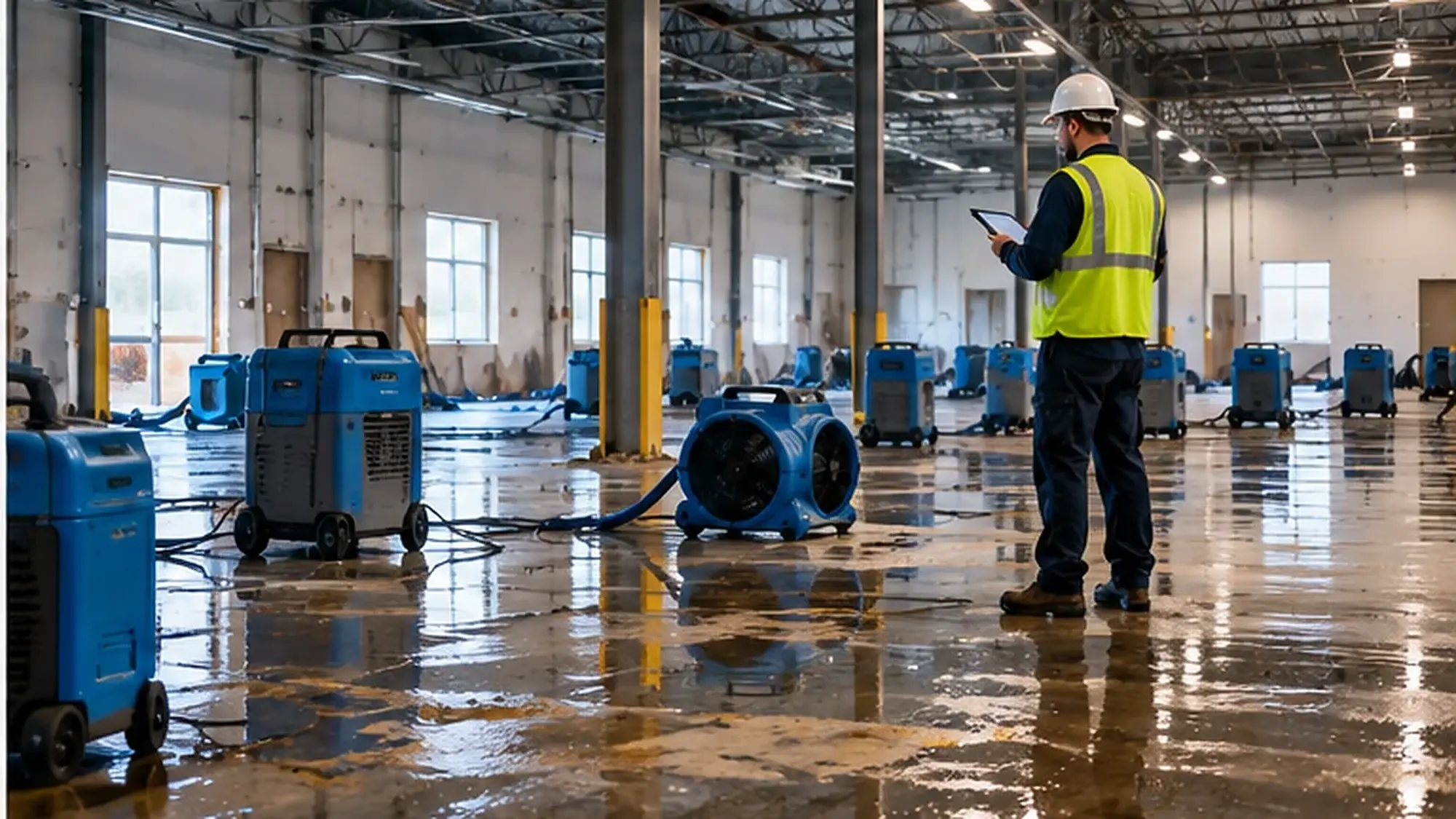
A sudden loss does not automatically mean an insurer will cover every resulting expense. Coverage depends on the policy, exclusions, cause of loss and circumstances. What a homeowner can control is the quality of the record: what happened, when it happened, what was affected and what was done to reduce further damage....
For local water-loss help in DeSoto, see Emergency Water Extraction in DeSoto TX.
Documentation is not the same as coverage
A sudden loss does not automatically mean an insurer will cover every resulting expense. Coverage depends on the policy, exclusions, cause of loss and circumstances. What a homeowner can control is the quality of the record: what happened, when it happened, what was affected and what was done to reduce further damage.
Photograph the property in layers
Start with wide room views, then photograph floors, walls, ceilings, cabinets, contents and the suspected source. Take before-and-after photographs when practical. A photo of a wet baseboard and a photo showing the wider room are more informative together than either alone.
Record a simple timeline
Write down when the loss was discovered, when the source was controlled, when extraction began, when drying equipment was placed and when major decisions were made. Include dates for plumbing or roof repairs if they occur. This makes it easier to understand how the response unfolded.
Save mitigation records
Keep estimates, invoices, equipment logs, moisture readings and written recommendations in one folder. can involve several stages, so a record that shows extraction, drying, cleaning and material decisions can be more useful than one final invoice without context.
Contents need their own record
List damaged contents by room and describe them clearly enough to identify later. Photograph serial numbers where appropriate. Avoid discarding significant items before they are documented unless safety or contamination makes immediate disposal necessary; when disposal is unavoidable, photograph the item and record why it was removed.
Do not guess about policy questions
A restoration website should not promise coverage. Ask the carrier or adjuster what documents they require and whether they want an inspection before certain materials are removed. The practical role of the mitigation team is to document conditions and perform necessary work, not decide the policy interpretation.
Keep the file usable
Use consistent filenames, dates and folders. Save important communications. A clean record reduces confusion when a claim involves a plumber, roofer, restoration contractor and insurer at different times.
Organize documents so another person can follow the story
A claim file should make sense to someone who did not see the original event. Put photos, dates, contractor invoices, estimates and communications in an order that follows the timeline. Name files consistently so the same room can be traced across several days.
For business losses, add records about downtime, inventory and operational impact when they are relevant to the claim or internal recovery plan.
Ask before major irreversible decisions
When practical, ask the insurer or adjuster what documentation or inspection they need before large removals. Safety and contamination can require immediate action, but where time allows, clarifying expectations can prevent avoidable disputes about what was removed and why.
A restoration contractor can document physical conditions and mitigation work, but the policy interpretation remains with the insurer and policyholder.
Photograph the cause and the consequence
A good record connects the apparent source to the resulting damage. Photograph the broken supply line, appliance connection, roof penetration or other source clue alongside affected rooms and materials. Avoid making assumptions about cause if it is not confirmed; label observations as observations.
Preserve the sequence of mitigation
Keep records that show what happened first and what happened later: source control, extraction, drying, cleaning and repairs. This makes it easier to explain why a material was removed or why equipment stayed in place for several days.
Avoiding common documentation gaps
A frequent gap is documenting the final condition but not the starting condition. Capture the original water path, damaged materials and contents before major changes when safe. Another gap is saving invoices without the timeline that explains them. Keep dates together with receipts, photos and notes. When multiple contractors are involved, record who controlled the source and who handled interior mitigation so the file remains understandable.
Use neutral language in the record
When documenting a loss, separate facts from assumptions. Write “water visible below the dishwasher” rather than stating a cause that has not been confirmed. Record dates, observations and actions taken. This keeps the record useful to the property owner, contractor and insurer without turning a restoration note into an unsupported conclusion about coverage or cause.
Keep a simple claim-ready timeline
Write one sentence for each major event: water discovered, source controlled, photographs taken, extraction started, drying equipment installed, materials removed and repairs completed. Store related photographs and invoices near the corresponding date. This keeps a large set of records usable instead of turning it into an unstructured folder.
Common questions
Does documentation guarantee insurance coverage?
No. Coverage is determined by the policy and circumstances of the loss.
What should I photograph?
Rooms, source clues, materials, contents and changes during mitigation when practical.
Should I keep mitigation records?
Yes. Save estimates, invoices, dates, moisture records and communications.
Call +1 972-945-2324 and describe the source, affected area and water type for next-step guidance.
Call +1 972-945-2324