
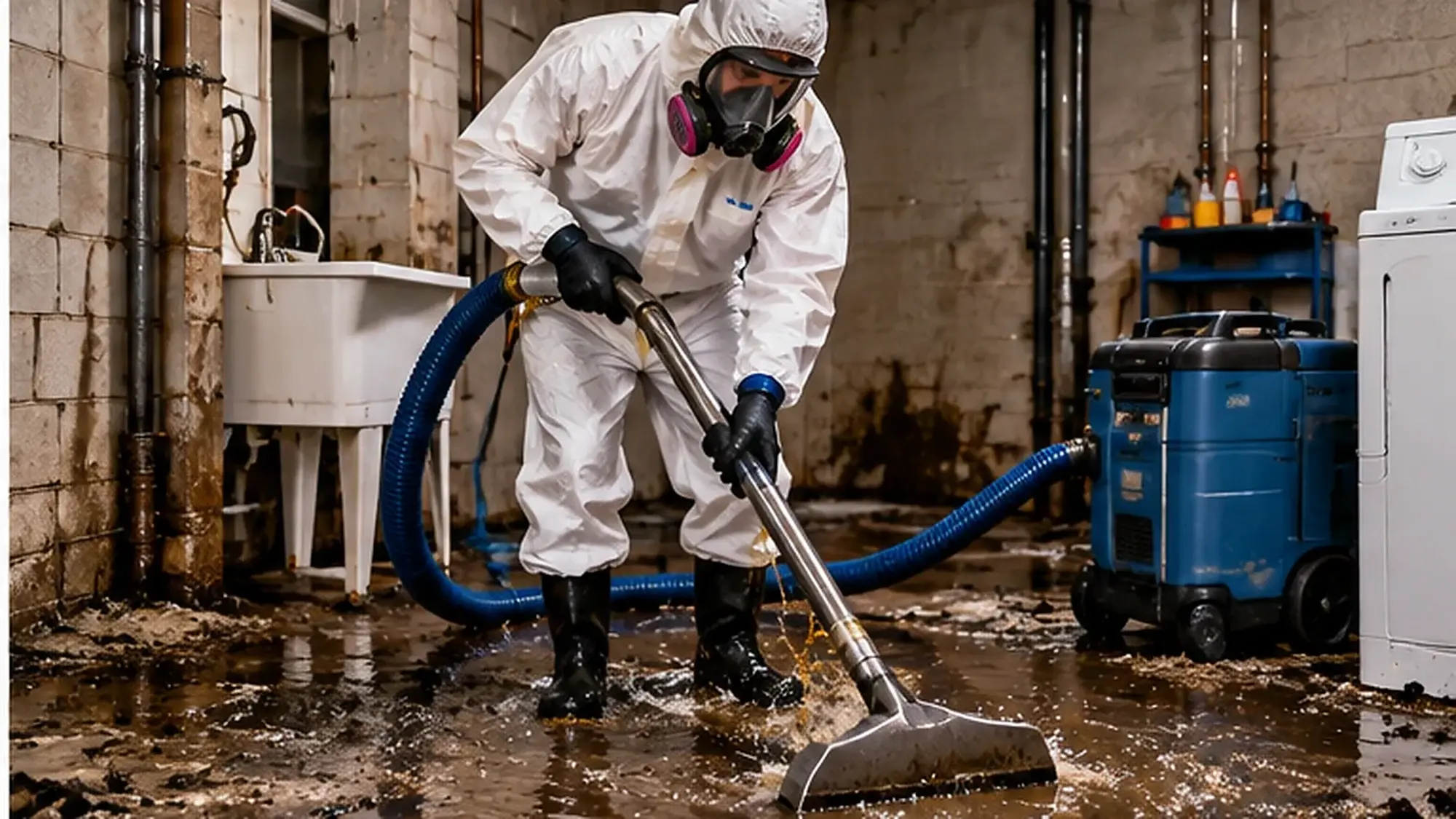
When wastewater enters a home, the first objective is to keep people out of the contaminated area. Children, pets and anyone who could be exposed should be moved away. If water is near outlets, appliances or electrical panels, avoid contact and obtain appropriate electrical safety guidance....
For local water-loss help in DeSoto, see Emergency Water Extraction in DeSoto TX.
Safety comes before cleanup
When wastewater enters a home, the first objective is to keep people out of the contaminated area. Children, pets and anyone who could be exposed should be moved away. If water is near outlets, appliances or electrical panels, avoid contact and obtain appropriate electrical safety guidance.
Do not turn a sewage event into a tracking problem
Shoes, tools and household items can spread contamination into unaffected rooms. Keep the affected area contained as much as practical, and do not carry wet contaminated materials through the house. This is especially important when the backup reaches hallways or stairs.
What homeowners can document safely
Photograph the affected rooms from a dry location, note the suspected source and record the time the backup was discovered. A simple list of damaged contents can be more useful than trying to estimate everything from memory later. If the source is still active, note that as well.
Why cleanup methods change
Sewage water can change which materials are safe to keep. Carpet pad, drywall, insulation and other porous materials may need different treatment than hard, cleanable surfaces. A measured assessment prevents both extremes: unnecessary removal of good material and leaving contaminated material in place.
For the service side, covers contaminated-water removal and material assessment.
Odor is not the diagnosis
A strong odor often means the source or contamination has not been fully addressed. Masking the smell with fragrance does not resolve the underlying condition. Cleaning, removal, moisture control and, when appropriate, odor treatment all need to match the source of the problem.
When the safest next step is a professional assessment
Call for a property-specific assessment when contamination is widespread, the source is uncertain, water reached structural assemblies, or the area cannot be safely isolated. A written plan can make it easier to determine what should be removed, cleaned, dried and documented.
Official guidance
During a broader disaster or flood, follow official emergency instructions first. Federal health and emergency agencies publish public cleanup and flood-safety guidance that can help homeowners understand basic precautions. Private-property restoration still depends on the actual source and material conditions on site.
Protect unaffected rooms
A sewage backup can spread beyond the original room through foot traffic, towels, cleaning tools and stored items. Use a clean-to-dirty approach where possible: keep unaffected spaces separate and avoid carrying contaminated materials through the rest of the home.
Do not wash contaminated items in a sink or tub that will be used for normal household activity without understanding the required cleaning approach. When in doubt, isolate the item and obtain appropriate guidance.
Children, pets and vulnerable occupants
Young children and pets can contact contaminated water without understanding the hazard. Keep them out of the affected area. People with particular health vulnerabilities should avoid exposure and follow medical or public-health guidance when appropriate.
The goal during an emergency is not perfect cleanup in the first hour. It is preventing additional exposure while the source and cleanup plan are being established.
Keep the response contained
Close doors or otherwise separate the affected area when practical, and avoid carrying contaminated materials through clean rooms. Use disposable or dedicated cleanup items when appropriate rather than moving household tools from the affected zone into normal living areas.
Know when to stop the DIY cleanup
If contaminated water is widespread, reaches structural assemblies, involves electrical hazards or cannot be isolated, stop improvising. Professional assessment can help establish containment, material handling and sanitation steps without exposing occupants to unnecessary contact.
A safer homeowner handoff
Once the affected zone is isolated and the source is controlled, give the restoration team clear information: where the backup began, whether it is still active, what rooms were affected and what electrical or structural concerns are present. This helps the assessment begin with useful facts. Avoid making the area more complicated by moving contaminated materials throughout the house or mixing clean household tools with the affected zone.
Why a simple safety plan helps
A good safety plan can be as simple as one person coordinating access, a clear boundary around the affected zone and a record of the source and rooms involved. That keeps the response organized while the property is being assessed. It also reduces the chance that contaminated water or wet materials are accidentally carried into clean areas.
A clear handoff reduces risk
When help arrives, explain where the sewage entered, how far it traveled, whether the source is still active and whether any electrical or structural concerns are present. That short handoff can be more useful than a long explanation of what you think caused the event. Let the inspection determine the cleanup scope.
Common questions
Should I enter sewage water to clean it?
Avoid unnecessary contact, especially when electrical hazards or unknown contamination are present.
Can odor treatment solve sewage damage?
No. Odor control is not a substitute for source control, removal and sanitation.
When should I call for professional help?
When contamination is widespread, the source is uncertain, or affected building assemblies cannot be safely managed.
Call +1 972-945-2324 and describe the source, affected area and water type for next-step guidance.
Call +1 972-945-2324