
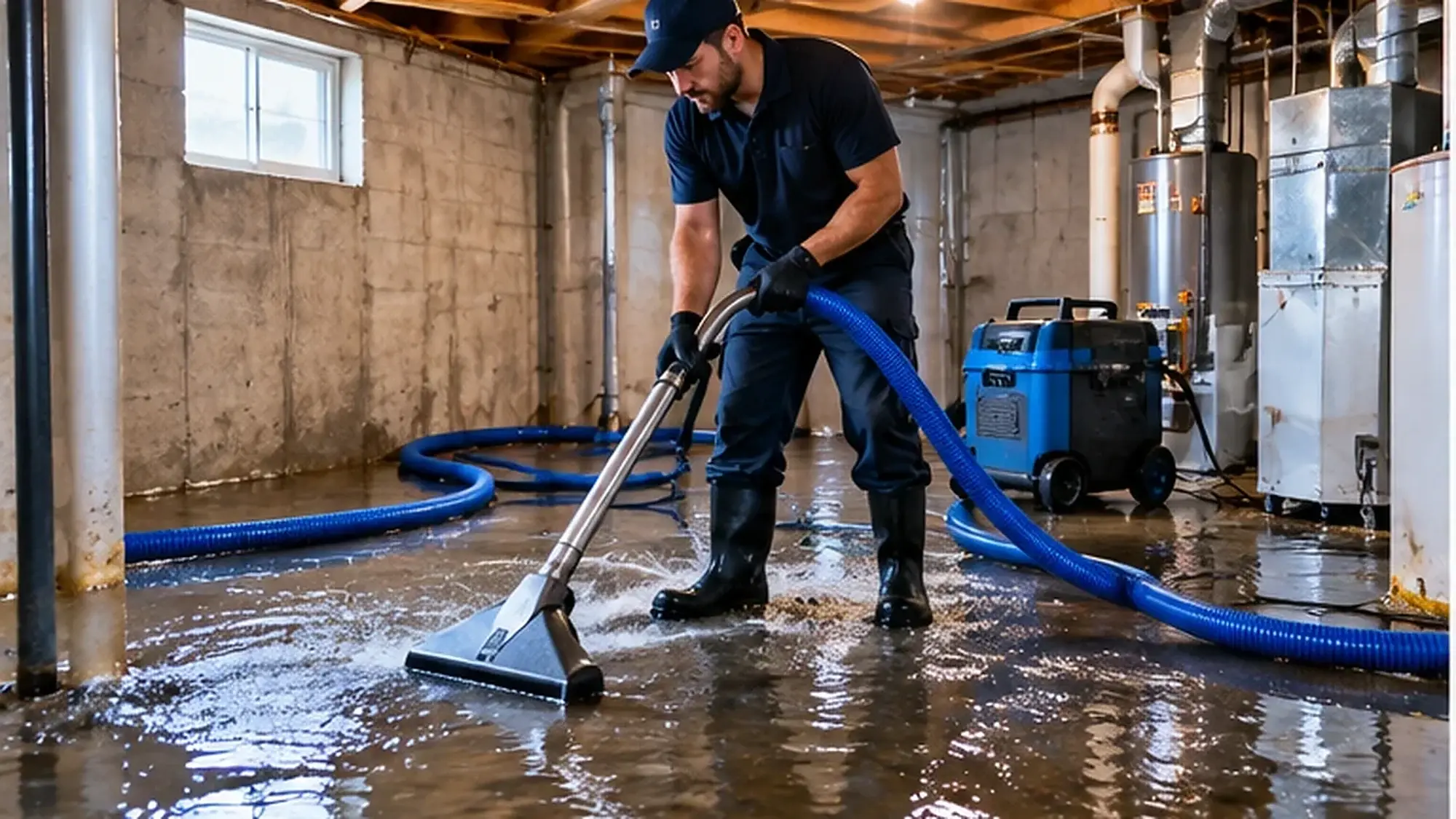
A simple structure for keeping a consistent record from initial inspection through drying verification.
For local water-loss help in DeSoto, see Emergency Water Extraction in DeSoto TX
Record the basic event
Start with discovery date, suspected source, affected rooms and any known water category. Record source-control steps and immediate safety issues.
Track affected materials
List carpet and pad, drywall, baseboards, cabinets, wood floors, subfloors, insulation and other affected assemblies. This helps explain why some areas may dry at different rates.
Record measurements consistently
Use a consistent method for comparable materials and identify where each reading was taken. Clear location and material notes are more useful than isolated numbers.
Document equipment changes
Record when equipment was placed, moved, added or removed and the reason for the change. This creates a clearer story of the drying process.
Record the endpoint
The end of drying should reflect the actual condition of affected materials and environment rather than a fixed number of days. Note the verification used to support the conclusion.
Keep the file together
Combine photographs, estimates, invoices, drying records and communications into one organized file that can be understood by the property owner, contractor and insurer.