
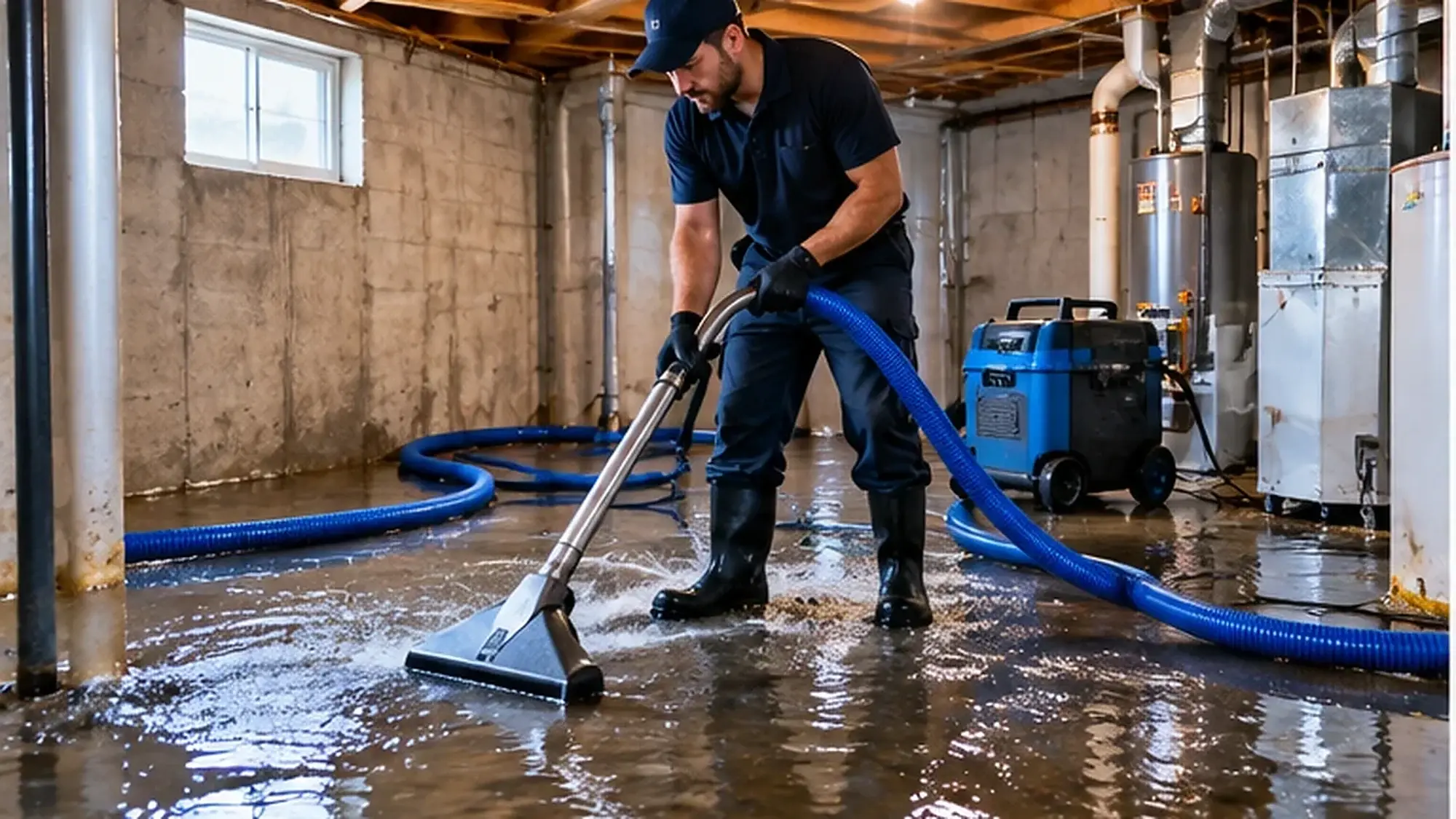
A practical explanation of moisture measurement, material differences and why a room can feel dry while a building assembly still contains moisture.
For local water-loss help in DeSoto, see Emergency Water Extraction in DeSoto TX
Why visible water is not the whole loss
After standing water is removed, moisture can remain in carpet padding, subfloors, drywall, cabinets, baseboards and framing. A dry-looking surface does not prove that the complete assembly has dried.
What gets measured
A drying assessment can consider material moisture, indoor temperature, relative humidity and conditions in affected and unaffected areas. Comparable materials provide a better reference than a single isolated number.
Why materials dry at different rates
Porous materials can absorb water quickly, while dense materials may release moisture more slowly. Wood floors, drywall, carpet padding and framing therefore may follow different drying patterns after the same water event.
What repeated monitoring tells you
Repeat readings help show whether conditions are improving and whether equipment or inspection scope should change. A useful record connects each measurement to a material and location.
Questions homeowners can ask
Ask which materials were identified as wet, how they were measured, what baseline was used and what would cause the drying plan to change. A clear record makes progress easier to explain later.
When professional monitoring helps
Monitoring is particularly useful when water reaches wall systems, subfloors, cabinetry, hardwood assemblies, insulation or concealed spaces, or when a commercial property has multiple affected rooms.